 roshblog
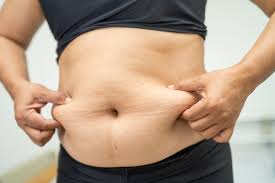
 This comprehensive guide, “How to Lose Belly Fat Naturally Diet Exercise & Lifestyle Tips” , explains why belly fat accumulates. How to lose it through evidence-based diet, exercise, lifestyle, and behavioural changes.
Excess abdominal (belly) fat—especially visceral fat around the organs—is linked to serious health risks (heart disease, diabetes, inflammation). It covers causes (calorie surplus, sugar, hormones, stress, poor sleep, genetics), the roles of diet (whole foods, fiber, protein, low sugar, moderate carbs) and exercise (≥150 min/week of moderate aerobic activity plus strength training) in belly fat loss.
The guide includes step-by-step 30-day and 90-day plans, sample meal plans with shopping lists, beginner-friendly workouts (no or minimal equipment), progress-tracker templates, and a weekly schedule. SEO elements (keywords, meta tags, schema) and monetization ideas (affiliate links, digital products) are provided. All information is backed authoritative sources (NHS, WHO, AHA, peer-reviewed studies).
Key points:
- Why belly fat is dangerous: Central obesity increases risk of heart disease, cancer, and diabetes.
- Causes: Excess calories (especially sugar/refined carbs), sedentary lifestyle, stress/cortisol, hormones (insulin, cortisol, etc.), poor sleep, aging.
- Diet: Whole foods rich in fiber and protein, avoid added sugars and processed foods, caloric deficit for fat loss.
- Exercise: Aerobic exercise (≥150 min/week) and strength training reduce overall fat (including belly); spot reduction (doing only abs exercises) doesn’t work.
- Lifestyle: Adequate sleep (7–9h), stress management (meditation), and behaviour change support belly fat loss.
- Plans: 30-day and 90-day goals with weekly breakdowns (see tables). Sample meal plan and workout schedule included.
- Tracking: Use weekly weight and waist measurements, progress table templates.
- FAQs & SEO: Common questions answered. Provided are SEO checklist, keywords tables, meta descriptions, image suggestions, and structured data guidelines for FAQ and Article schema.
following the guidance below, readers can confidently implement natural strategies to shrink belly fat and improve health over the next 3 months and beyond.
Why Belly Fat Matters
Excess belly fat, especially visceral fat (around internal organs), is more dangerous than fat elsewhere. Visceral fat releases inflammatory hormones and is strongly linked to heart disease, Type 2 diabetes, fatty liver, and even dementia risk.
- Health Risks: Studies show belly fat predicts cardiovascular death independent of BMI. One report notes even people with a “healthy” BMI have higher heart risk if they carry fat around their midsection. The NHS confirms waist circumference adds crucial risk info: men >94 cm (37″) and women >80 cm (31.5″) face higher risk of heart disease, diabetes and some cancers.
- Global Impact: Worldwide obesity is a crisis: ~43% of adults are overweight and 16% are obese. Many of these carry excess belly fat, driving the chronic disease epidemic.
Therefore, reducing belly fat is not cosmetic—it’s essential for longevity and health.
What Causes Excess Belly Fat
Belly fat accumulates when calorie intake exceeds calorie burn, but certain factors specifically promote central fat:
- High-Calorie Diet: Consuming more energy (calories) than needed leads to fat storage, often first as visceral fat.
- Sugary Foods & Refined Carbs: Excess sugars (sodas, sweets) spike insulin and promote belly fat storage. High-fructose corn syrup and processed carbs have been linked to central obesity.
- Low Fiber, High Processed Foods: Diets low in fiber and high in processed foods/sugars cause overeating and fat gain. Fiber-rich foods (vegetables, whole grains) slow digestion and reduce fat storage.
- Lack of Physical Activity: Sedentary lifestyle is a major factor. Less movement means fewer calories burned, favoring fat gain.
- Hormones: Cortisol (stress hormone) drives fat toward the abdomen. Elevated insulin from excess sugars also promotes belly fat. Insulin resistance (diabetes risk) often involves higher visceral fat.
- Poor Sleep: Lack of sleep raises cortisol and hunger hormones, causing cravings and fat accumulation.
- Age & Gender: With age, muscle mass declines and fat rises. Men and post-menopausal women often store more abdominal fat.
- Genetics & Ethnicity: Genetics play a role. Some ethnicities (South Asian, African-Caribbean) store fat differently; even lower waist measurements raise risk.
All these create an energy imbalance and hormonal environment that preferentially stores fat around the waist.
Key Strategies on How Lose Belly Fat Naturally
To lose belly fat, the fundamental rule is to create a sustainable calorie deficit (burn more than you consume) while supporting metabolism and hormonal balance. Evidence shows that overall fat loss will reduce belly fat; you cannot spot-reduce. The following steps combine diet, exercise, and lifestyle:
1. Adopt a Balanced Diet
- Caloric Deficit: Aim for a modest calorie deficit (e.g., 500 kcal/day under maintenance) to lose ~0.5–1 kg per week. Use an online calculator or a dietitian to estimate needs.
- High Protein: Eating more protein boosts metabolism, preserves muscle, and promotes satiety. Choose lean meats, fish, eggs, legumes, dairy, or tofu.
- Plenty of Fiber: Vegetables, fruits, whole grains, and legumes are rich in fiber. Fiber slows digestion and keeps you full, reducing overall calorie intake.
- Healthy Fats: Include sources of unsaturated fats (nuts, seeds, avocados, olive oil). They support hormone health and satiety.
- Complex Carbohydrates: Opt for whole grains (brown rice, oats, whole-wheat pasta), and starchy veggies (sweet potato) instead of refined carbs. Limit sugary snacks and drinks.
- Limit Sugars and Processed Foods: Avoid sugary beverages, sweets, and refined snacks. These cause insulin spikes and fat storage.
- Hydration: Drink plenty of water; it can suppress appetite. Replace sugary drinks and limit alcohol, as alcohol has “empty calories” and may increase belly fat.
- Meal Timing: Regular meals and healthy snacks prevent overeating. Don’t skip breakfast – a protein-rich breakfast can reduce belly-fat gain.
- Mindful Eating: Pay attention to hunger/fullness cues, eat slowly, and avoid distractions (TV, phones) to prevent overeating.
Tip: The NHS advises “cut down on food high in sugar and fat” and choose wholegrain/sugary swaps. Also, aim for “5 A Day” of fruits/vegetables to boost fiber.
Sample Meal Plan (7 Days)
| Meal | Sample Foods (Portion Ideas) |
|---|---|
| Breakfast | Oats with berries & nuts; or scrambled eggs + spinach; or Greek yogurt + fruit. |
| Lunch | Salad with grilled chicken/beans + lots of veggies; or lentil soup + wholegrain bread; or rice bowl with fish/tofu and veggies. |
| Dinner | Baked salmon/chicken + quinoa + steamed vegetables; or stir-fry with lean protein and brown rice; or veggie curry with chickpeas. |
| Snacks | Fresh fruit; nuts; carrot sticks with hummus; boiled egg; Greek yogurt; small portion of cheese. |
| Hydration | Water, unsweetened tea/coffee, or sparkling water with lemon. Limit juice/soda. |
Shopping List (Example): leafy greens, tomatoes, onions, bell peppers, berries, apples, bananas, oats, brown rice, wholegrain bread, eggs, chicken breast, fish (salmon, tuna), legumes (beans, lentils), nuts (almonds, walnuts), Greek yogurt, low-fat cheese, olive oil, herbs/spices.
2. Increase Physical Activity
Exercise is critical for belly fat loss. Aim for both aerobic (cardio) and strength training:
- Aerobic Exercise (Cardio): Research shows at least 150 minutes per week of moderate aerobic activity (like brisk walking, cycling, jogging) leads to significant reductions in waist circumference and body fat. Examples:
- Brisk walking or running
- Cycling or swimming
- Dancing, aerobics classes
- Jump rope, stair climbing
- High-Intensity Interval Training (HIIT): HIIT alternates bursts of intense effort with rest. Studies indicate HIIT can be time-efficient and effective for reducing abdominal fat.
- Strength Training: Building muscle boosts metabolism. Include bodyweight or light-weight exercises at least 2 days/week:
- Squats, lunges, push-ups (no equipment)
- Resistance band rows, dumbbell presses (minimal equipment)
- Pilates or core-strength classes (strengthens abs and full body)
- Everyday Activity: Walk more (use stairs, park farther away), stand instead of sit, take active breaks. Even small increases in NEAT (non-exercise activity thermogenesis) help burn calories.
Evidence: A JAMA meta-analysis found waist circumference decreased linearly with more exercise, and 150+ minutes/week gave “clinically important” waist reduction. The American Heart Association notes 150 min of activity may be sufficient to reduce abdominal fat.
Beginner Home Workout (No Equipment)
For those starting, a simple routine 3× per week can include:
- Bodyweight Squats: 2–3 sets of 10–15 reps.
- Knee Push-Ups (or wall push-ups): 2–3 sets of 8–12 reps.
- Plank Hold: 3 × 20–30 seconds.
- Lunges: 2–3 sets of 8–10 reps each leg.
- Glute Bridges: 2–3 sets of 10–15 reps.
- Burpees (or half-burpees): 2 sets of 5–10 reps.
- Jumping Jacks or High Knees: 1–2 minutes for cardio boost.

Weekly Workout Schedule (Example)
| Day | Activity |
|---|---|
| Monday | 30 min brisk walking + 15 min strength |
| Tuesday | Rest or light stretching |
| Wednesday | 30 min jogging or cycling |
| Thursday | Bodyweight circuit (squats, lunges, plank) |
| Friday | 30 min swimming or aerobics class |
| Saturday | Active fun (hiking, sports, dancing) |
| Sunday | Rest / gentle yoga or stretching |
Key: Consistency beats intensity. Even on busy days, aim for a 10-15 minute brisk walk. Short workouts (20 min HIIT) can be as effective if done regularly.
3. Focus on Sleep and Stress
A surprising factor in belly fat is stress and poor sleep.
- Sleep: Aim for 7–9 hours of quality sleep per night. Chronic sleep deprivation dysregulates appetite hormones: it increases ghrelin (hunger hormone) and decreases leptin (satiety), making you eat more. It also raises cortisol. Studies show sleep debt leads to cravings for sugary, fatty foods, and weight gain.
- Stress Management: Chronic stress elevates cortisol, which drives visceral fat storage. High daytime cortisol is linked to insulin spikes and belly fat accumulation. Manage stress via:
- Meditation & Mindfulness: Even 5–10 minutes daily reduces cortisol.
- Deep Breathing/Yoga: Calming exercises help reset the stress response.
- Leisure Activities: Hobbies, walks in nature, social time.
- Professional Help: For severe stress or emotional eating, consider counselling or support groups.

Sleep Tips
- Set a regular bedtime; avoid screens at least 30 min before sleep.
- Keep your bedroom dark, quiet, and cool.
- Avoid caffeine/alcohol late in the day.
- Establish a relaxing bedtime routine (e.g., reading, gentle stretching).
Stress Tips
- Practice mindfulness apps (10 min/day).
- Take “breathing breaks” at work: 4-7-8 breathing.
- Engage in regular social support.
- Journaling or hobbreaks reduce anxiety.
4. Hormones and Medical Factors
Some hormonal or medical issues can make belly fat harder to lose:
- Insulin Resistance & Diabetes: High insulin levels (from high sugar/carb diets) promote fat storage in the abdomen. Losing weight and exercise improves insulin sensitivity.
- Cortisol: As above, chronic cortisol leads to fat deposition in the midsection. Short bursts of cortisol (morning) are normal; the problem is chronic stress.
- Thyroid Issues: Hypothyroidism (underactive thyroid) can slow metabolism. If suspected, get thyroid function tested.
- PCOS (Polycystic Ovary Syndrome): Many women with PCOS have insulin resistance and often accumulate belly fat. A balanced diet, exercise, and possibly medication can help.
- Menopause: Women often gain abdominal fat post-menopause due to hormonal shifts. Strength training and healthy diet are crucial.
- Medications: Some drugs (steroids, antidepressants) may increase appetite or fat.
If you suspect an underlying condition, consult a healthcare professional. Addressing these factors (medically or through lifestyle) can make fat loss more effective.
30-Day & 90-Day Belly Fat Loss Plans
30-Day Action Plan
This outline covers the first month. The key is building habits:
| Week | Goals and Actions |
|---|---|
| Week 1 | Assessment & Start: Measure waist, weight, take “before” photos. Set realistic goals (e.g., –2 cm waist). Begin food diary. Start 20-30 min brisk walks every day. Replace 1 sugary drink with water. |
| Week 2 | Nutrition Focus: Plan balanced meals. Add one more veggie serving daily. Aim for protein and fiber at each meal. Continue exercise: add a 15 min bodyweight workout (squats, push-ups). Ensure 7-8h sleep. |
| Week 3 | Exercise Increase: Add 5–10 min to workouts: try a jog/walk interval. Start strength routine 2× this week (see sample routine). Track stress: try 5 min meditation. |
| Week 4 | Refine & Track: Check measurements, see progress. Tweak diet (cut any remaining junk). Increase workout intensity or duration gradually. Evaluate sleep and stress management. |
90-Day Roadmap
3 months, habits should be solid. This longer plan aims for sustained progress:
| Month | Focus |
|---|---|
| Month 1 | Build Foundation: See 30-day plan above. Emphasis on habit formation and measurable first results (–1–2% body fat or waist reduction). |
| Month 2 | Increase Consistency: Continue balanced diet; plan meals ahead. Gradually increase exercise time (aim for 150+ min/week aerobics) and incorporate HIIT or varied cardio. Add one new healthy recipe per week. |
| Month 3 | Strength & Maintenance: Introduce more strength training (bodyweight or dumbbells). Try a fun active hob(cycling, dance class). Reassess progress mid-month: update weight/waist. Plan long-term maintenance: join a community or follow an app for accountability. |
Set specific mini-goals (e.g., +5 push-ups, +30 min cardio endurance). Celebrate non-scale wins (more energy, better sleep, smaller clothes).
Workout Schedule & Examples
Below is a weekly workout schedule incorporating cardio and strength (no equipment) that can be repeated for several weeks, adjusting as fitness improves:
| Day | Workout | Description |
|---|---|---|
| Monday | Cardio | 30–40 min brisk walk or jog; include 5-min warm-up, 5-min cool-down. |
| Tuesday | Bodyweight Strength (Full Body) | 3 sets: 12 squats, 10 knee push-ups, 10 lunges (each leg), 15-second plank. |
| Wednesday | Active Rest | Light stretching/yoga or a 20-min easy bike ride. |
| Thursday | HIIT/Cardio | 20 min HIIT (e.g., 30s high-intensity jumps, 30s rest, repeat) or dance class. |
| Friday | Bodyweight Strength (Core Focus) | 3 sets: 10 crunches, 15 glute bridges, 30-sec side plank each side, 10 supermans. |
| Saturday | Outdoor Activity or Sport | Hiking, swimming, cycling, team sport. 30–60 min at moderate effort. |
| Sunday | Recovery | Rest day or gentle yoga/stretching for 15–20 min. |

Always start workouts with a short warm-up (marching in place, arm circles) and end with stretches. Gradually increase reps or sets as you get stronger.
Tracking Progress
Monitoring progress is motivating and lets you adjust the plan. Use:
- Weekly Measurements Table: Record weight and waist circumference each week.
| Week | Date | Weight (kg) | Waist (cm) | Notes (energy, mood, diet) |
|---|---|---|---|---|
| 1 | ||||
| 2 | ||||
| … | ||||
| 12 |
- Photos: Take front/side photos (same clothing/lighting) at start and monthly.
- Fitness Journal: Log workouts, diet, sleep hours, stress level (1-5) each day.
- Apps/Tools: Use a calorie tracking app (MyFitnessPal) or a smartwatch to track activity.
Celebrate milestones (e.g., first 5 min plank, losing 2 kg). If stuck, revisit diet/activity levels.
FAQs (Schema-Ready Q&A)
Q: Can I target belly fat with specific exercises?
A: No – spot reduction is a myth. You can strengthen abs with crunches or planks, but fat loss happens overall. Aerobic exercise and strength training burn fat from the whole body, including belly.
Q: What foods help reduce belly fat?
A: Focus on whole foods: vegetables, fruit, lean protein, whole grains, and healthy fats. Fiber and protein help you feel full. Avoid sugary drinks and high-refined-carb foods, which increase belly fat. Replace soda with water, and snacks like chips with nuts or yogurt.
Q: How long to see results?
A: With consistent changes, some waist reduction can occur in a few weeks, but meaningful fat loss takes time. Aiming for 0.5–1% body fat loss per week is safe. The 30- and 90-day plans set realistic milestones. Even small waist losses (1–2 cm per month) significantly improve health.
Q: Does weight lifting help lose belly fat?
A: Yes. Building muscle with strength exercises increases your metabolism, helping you burn more calories at rest. Muscle also shapes the body. Combine strength training (e.g., squats, push-ups) with cardio for the best results.
Q: How important is sleep and stress?
A: Very important. Poor sleep and high stress raise cortisol, causing cravings and fat storage in the belly. Aim for 7–9 hours sleep per night and practice relaxation techniques (deep breathing, meditation) to keep stress in check.






[…] this guide, we’ll break down the best fitness apps you can rely on, whether you’re a beginner, trying to lose weight, or just want a simple […]